
Where History, Heritage, and Hope Converge at the Edge of the World
At the southeastern tip of the Isle of Harris, where the Little Minch meets ancient rock and endless sky, stands Rodel House. Built in 1781, this historic house has witnessed centuries of transformation and has now undergone its own remarkable renaissance.
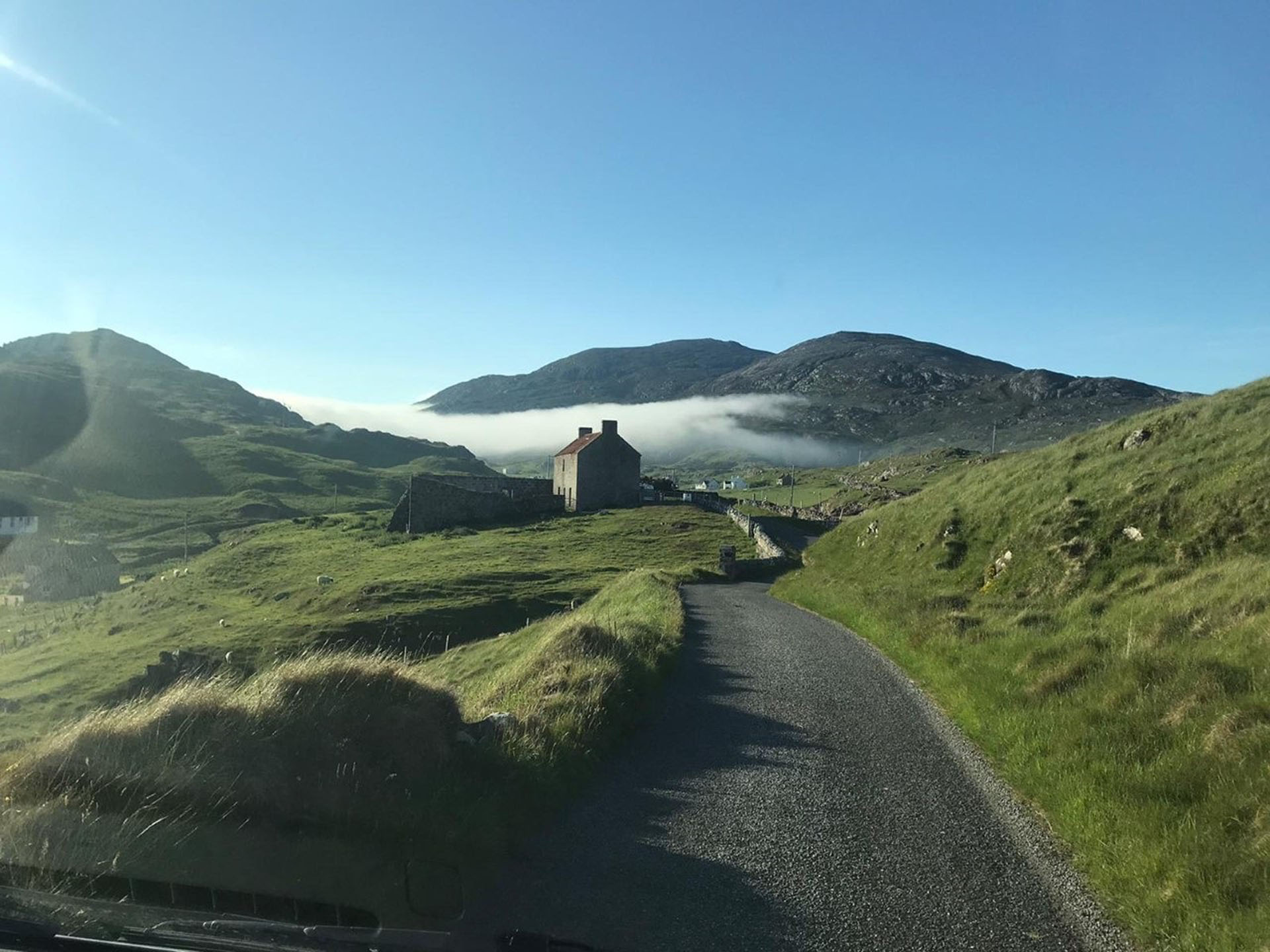
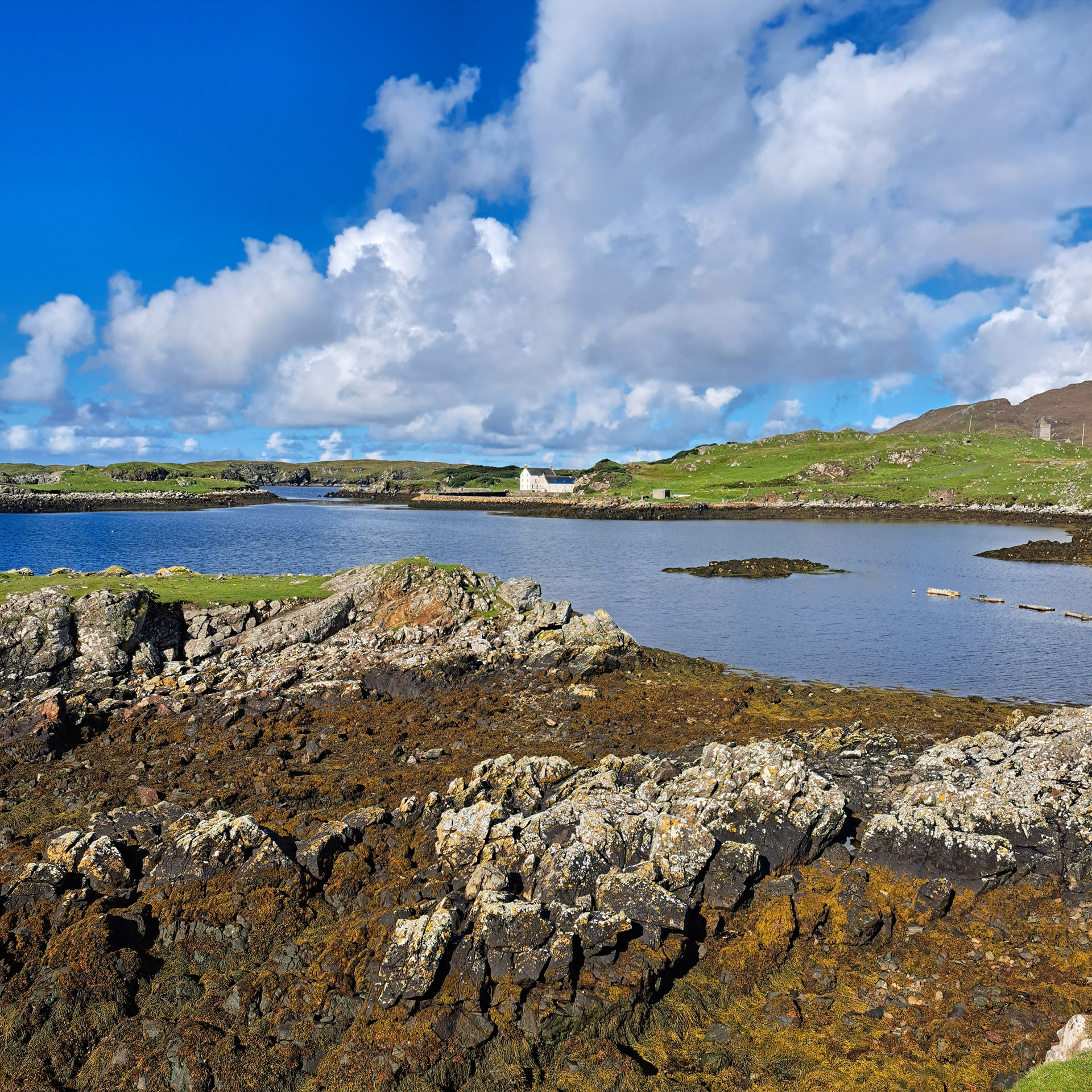
The settlement of Rodel (Roghadal in Gaelic meaning ‘the choice dale’), with its reputation for exceptionally fertile soil, the finest grazing, a commanding vantage point and a safe anchorage, was considered until recent times the centre of the cultural, commercial and spiritual life of the island. There is a certain poetic justice as well that it was the birthplace of some of the most renowned of the Gaelic poets. It was a place that attracted visionaries—people who saw not just what Harris was, but what it could become.
Among those who left their mark on Rodel were Alasdair MacLeod (1450-1547), the 8th Chief of Clan MacLeod, and Mary MacLeod, or Mairi nighean Alasdair Ruaidh (c.1615–1706).
Alasdair, severely injured with an axe at the Battle of Camus Dearg (‘Blood-Red Bay’) in 1483, was thereafter known as the Crotach, or hunchback. He built St. Clement’s church in the early 16th century and is buried there, reputedly alongside the hereditary standard bearers of the MacLeod “Fairy Flag.”
Mary, ‘the inimitable bardess of the Isles,’ was one of the most renowned Gaelic poets whose verses are still performed as song in the Hebrides today. Most likely born at Rodel, she defied convention in both her life and her poetry, remaining unmarried to the end of her days. She was, it is said, much given to whisky and snuff, and was buried, as she requested, face down in the South transept of St. Clement’s after, it is said, composing a poem about whisky on her deathbed.
guardian@rodelhouse.co.uk to book | Contact us
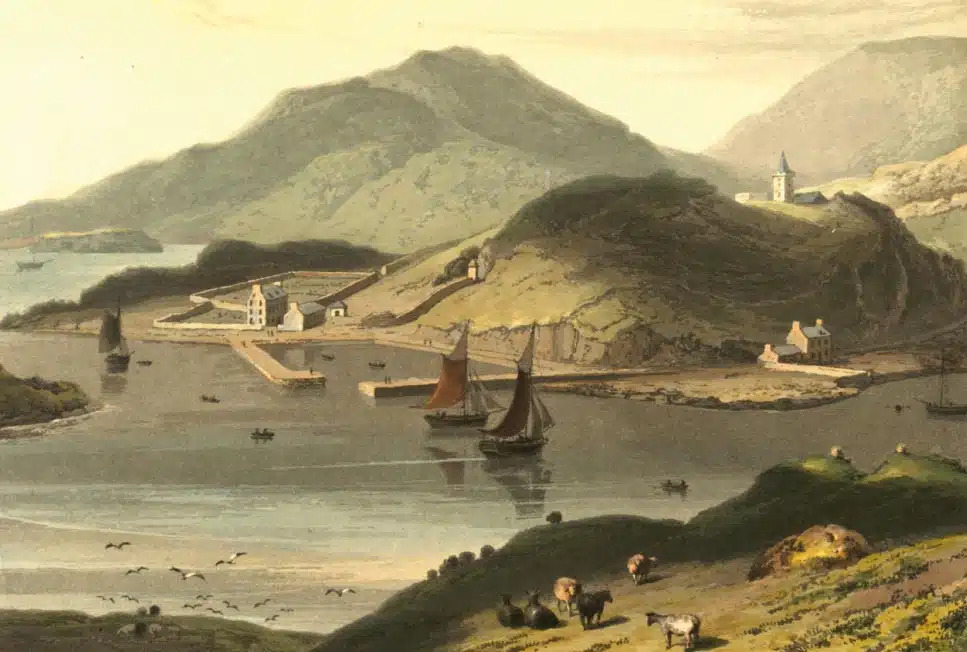
In 1781, Captain Alexander MacLeod returned from the far reaches of the East India Company’s domain with fortune in his pockets and vision in his heart. Having traded in silks and tea from China to the Hooghly River, having watched—stranded by the tides, helplessly, from his ship—as the Battle of Plassey secured British India, he chose to invest everything in this place—the ancient seat of his clan, the spiritual heart of the MacLeods.
He built Rodel House as a gentleman’s residence, gracious and well-proportioned, worthy of Harris’s ancient capital. Then he set about transforming the island: establishing the harbour, building schools, promoting weaving and fishing, challenging unjust taxes, and creating the ‘Seminary for Female Industry.’ The Captain understood what few did in his time—that prosperity shared is prosperity sustained.
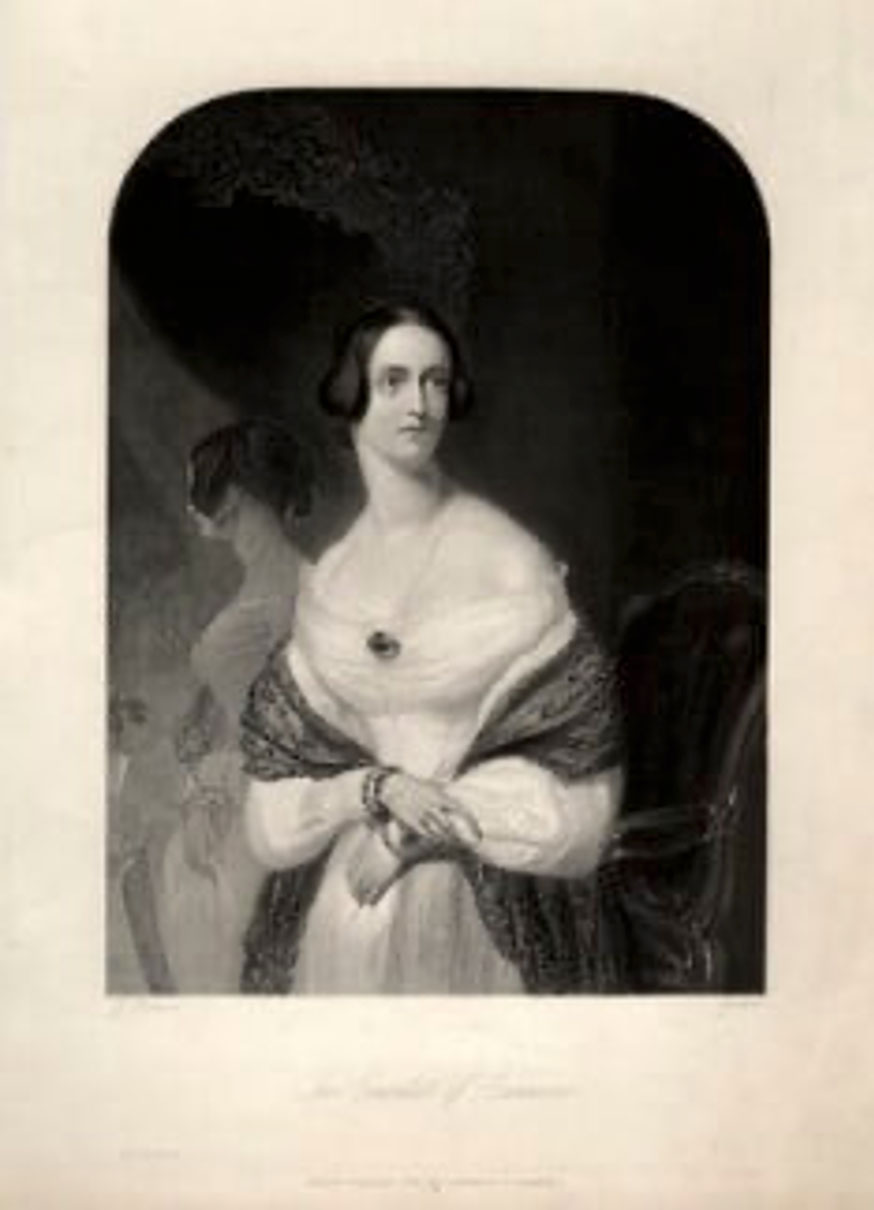
Six decades after the Captain’s death, Rodel welcomed another visionary. Catherine Murray, Countess of Dunmore, inherited Harris in 1845 when her husband died unexpectedly. Widowed at 31, pregnant with her fourth child, she found herself responsible for an island on the brink of starvation.
Where others saw only hardship, she saw possibility. While residing at Rodel House, Lady Dunmore witnessed the local women’s skill with loom and wool. She envisioned transforming their subsistence craft into a world-renowned industry. Using her connections to Queen Victoria’s court—where her children played with the future King Edward VII—she introduced Harris Tweed to London’s elite. She sent weavers to Alloa for training, established quality standards, and built the foundations of an industry that today carries UNESCO recognition and adorns everyone from Ralph Lauren to country gentlemen worldwide.
Her legacy is woven into every length of Harris Tweed produced on the island to this day. Rodel House remembers her vision—and other stories of courageous women, including Jessie Macdonald of the famous Balranald Elopement, who was held captive here in 1850 before her daring rescue and escape to a new life.
‘I839 -This year Catherine, Countess of Dumore initiated an industry on her husband’s Estate in the Western Isles that was destined in later years to become famous under the name of ‘The Harris Tweed Industry’.
The poor people of the island were wont to bring their webs of cloth to the House of Rodel where they were duly inspected, measured and valued according to the degree of excellence in the weaving. As soon as the price per yard had been agreed upon, Lady Dunmore paid ready money for the ’web’. The webs were then stored until the end of the season when a large consignment was dispatched to Dunmore House in Stirlingshire from which head depôt the tweeds eventually found their way to the various establishments in Glasgow, Edinburgh, Manchester, Leeds and London besides many private orders received from sportsmen.’
From Chronicles compiled by Lord Charles Dunmore, son of Catherine, Countess of Dunmore
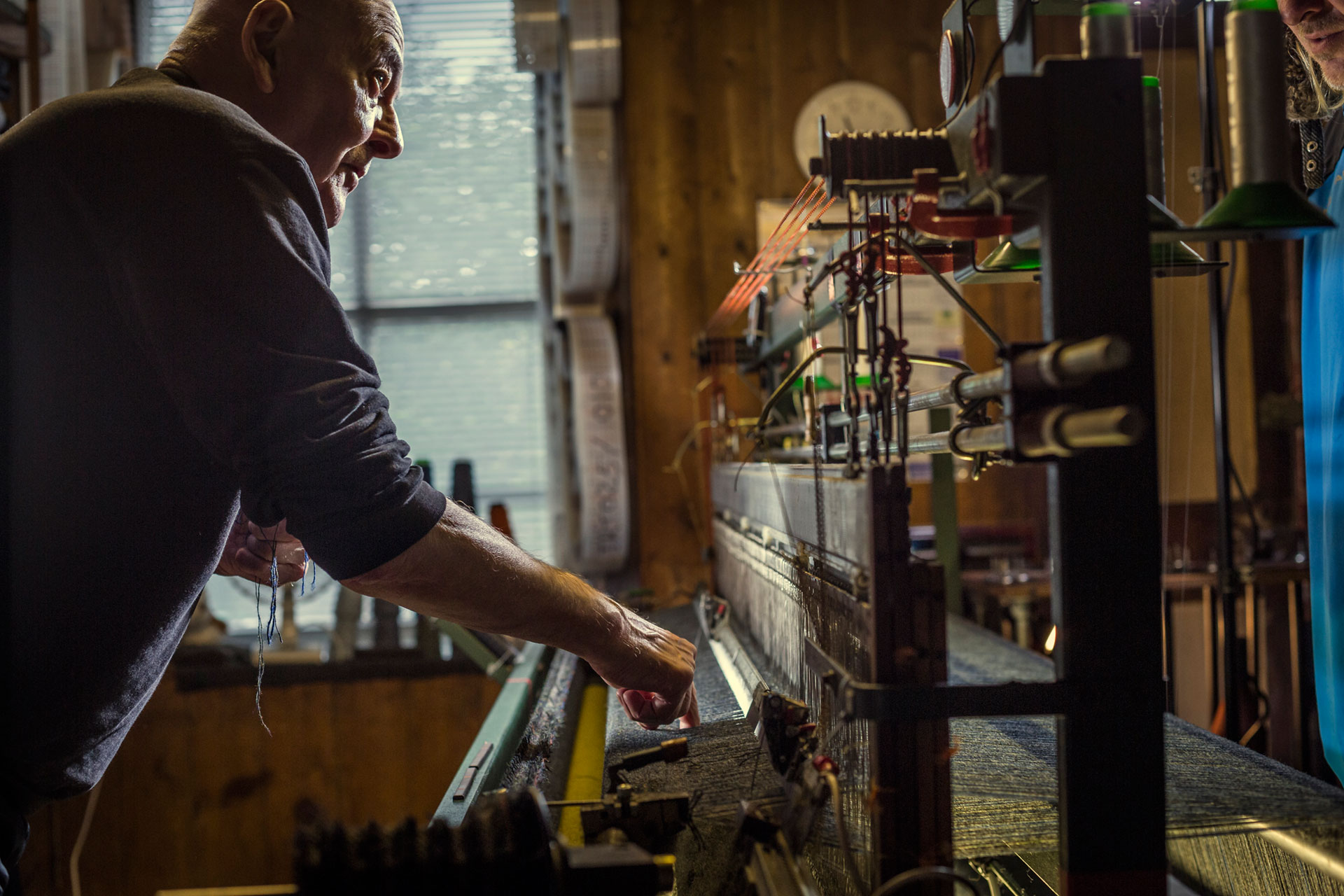
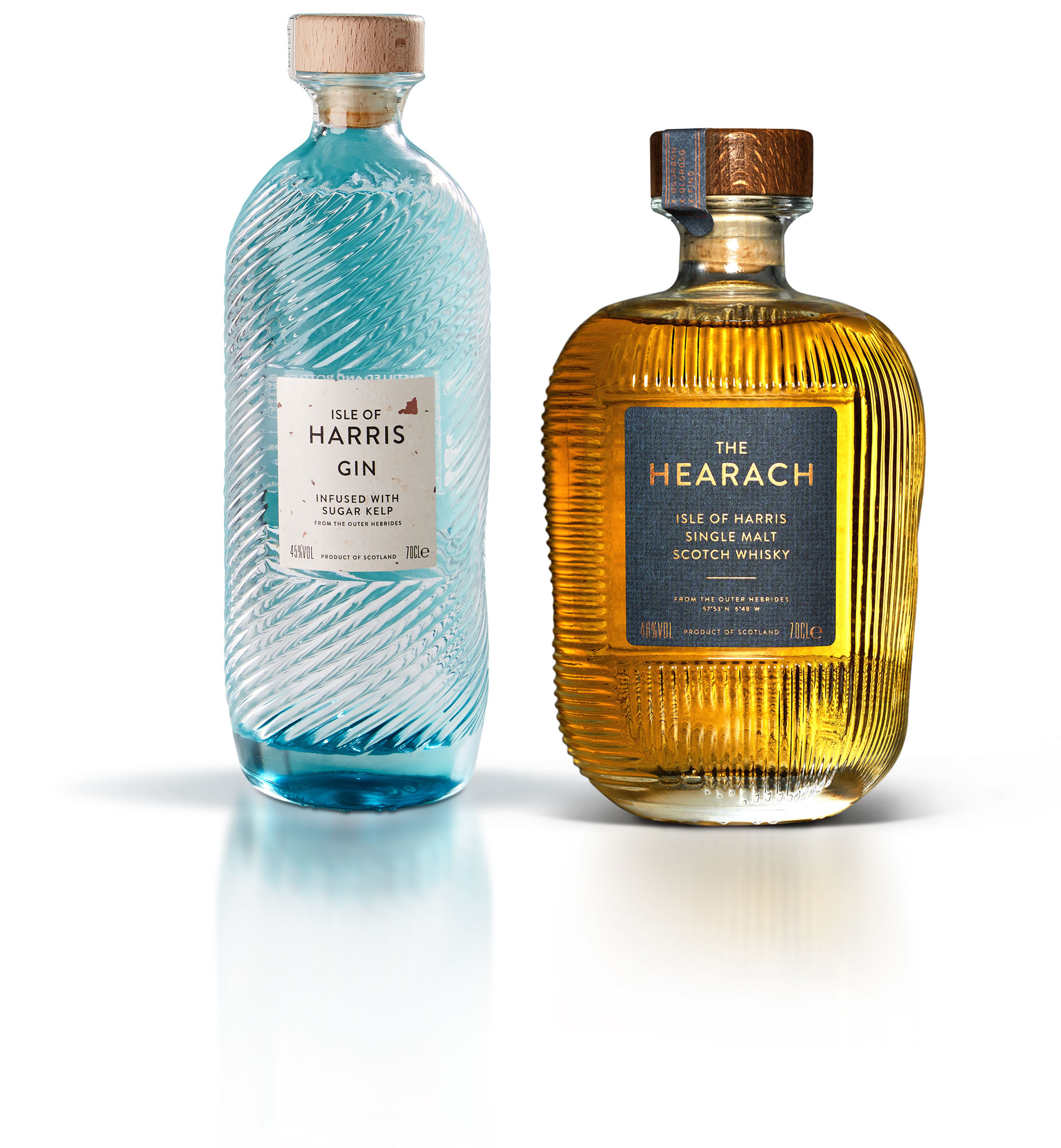
By 2016, Rodel House had weathered 235 years of island life, evolving through many incarnations. The island around it had changed too—Harris was quieter now, its population declining as young people sought work elsewhere.
Then Anderson ‘Burr’ Bakewell, who had loved Harris since the 1960s, acted on a question he’d posed and been pondering for decades: “How do you bottle the spirit of an island and share it with the world?”
The answer was the Isle of Harris Distillery, opened in 2015 in Tarbert. The distillery produces award-winning Isle of Harris Gin and The Hearach single malt whisky, and has become a symbol of promise for generations of islanders, demonstrating that sustainable employment and meaningful futures are possible here.
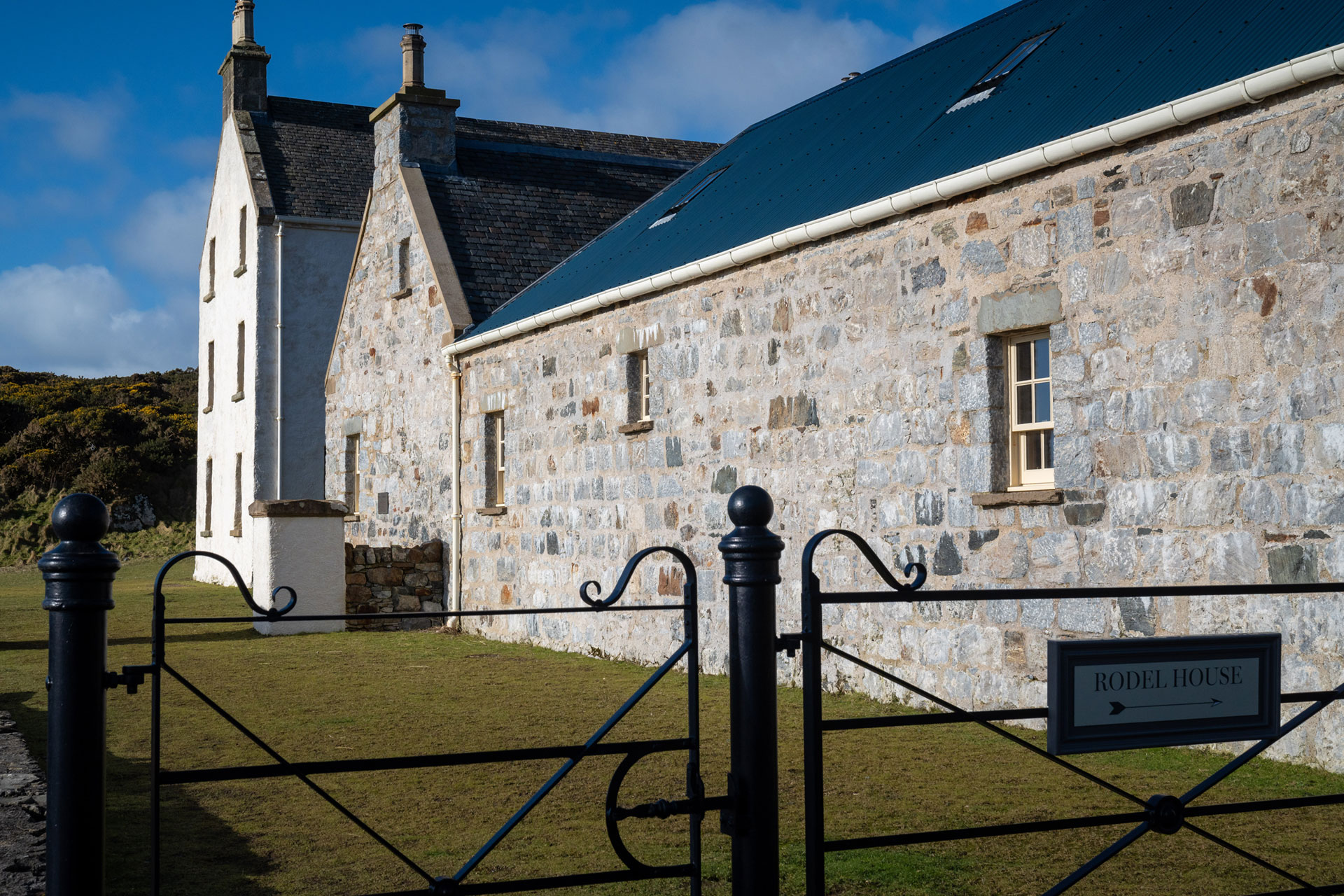
In 2016, Bakewell and his wife Francine Stone purchased Rodel House—not as a monument to the past, but as a bridge to the future. Working with master craftsmen and guided by the same meticulous attention to detail that defines the distillery, they worked hard to reveal the Captain’s original vision. Using reclaimed materials, Siberian larch, Georgian pine, and brass that ages gracefully like the landscape itself, they created something extraordinary: a home where elegance meets authenticity, where comfort embraces the wild, where history lives and breathes.