

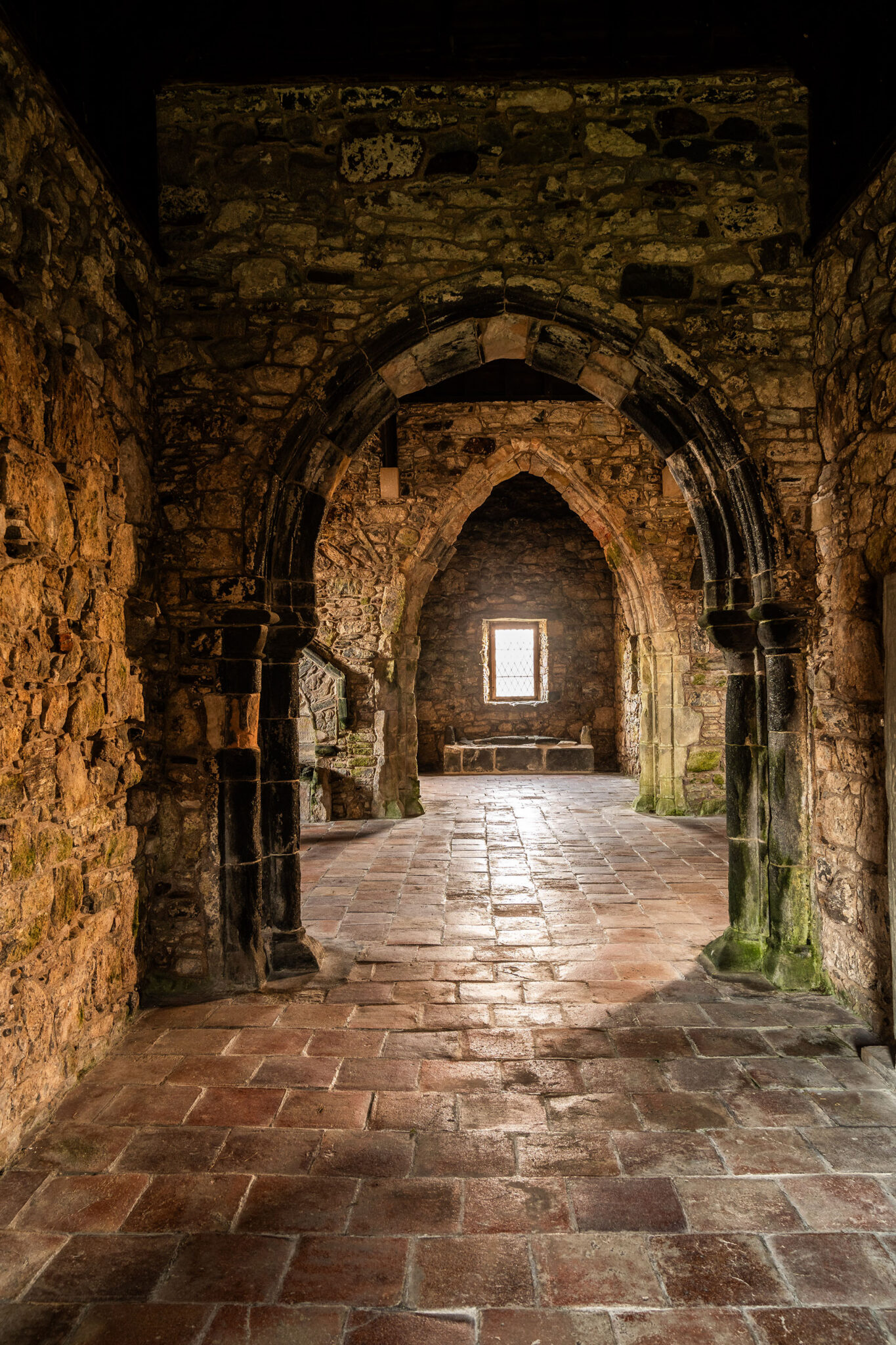
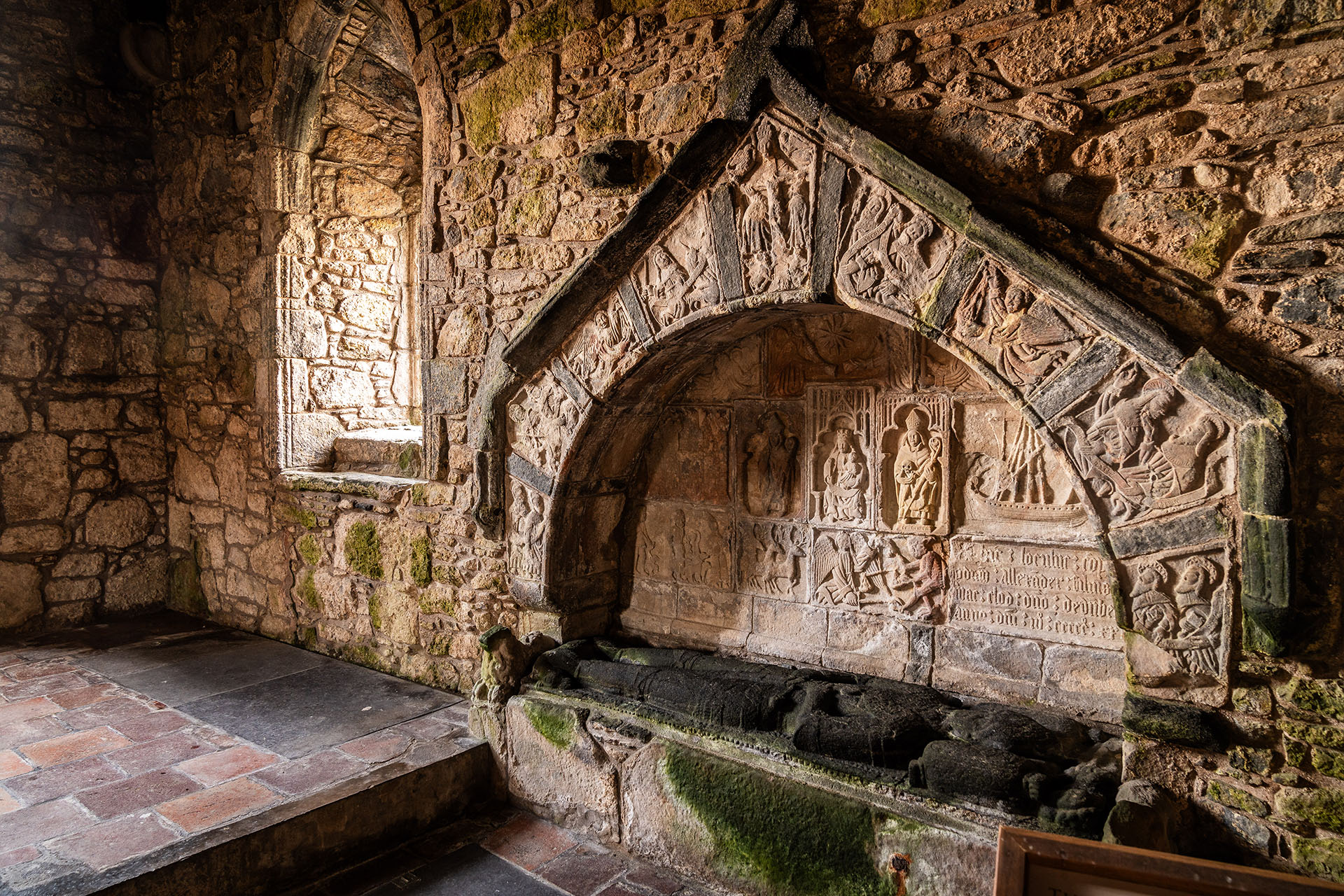
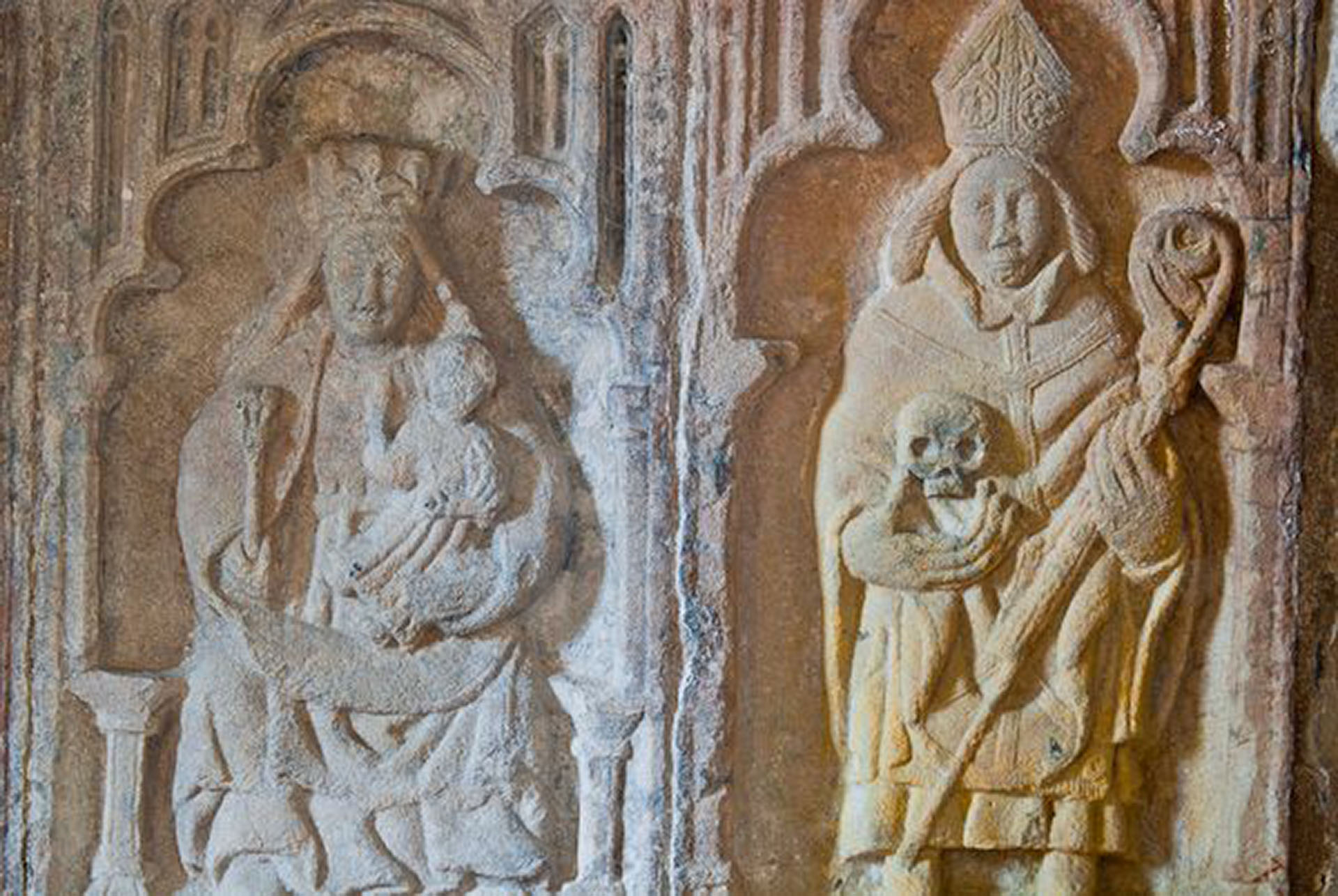
A black basalt effigy lies in a low curved alcove opposite the door. It is blurred by time, but the figure is perfectly straight and undamaged in appearance, as if the Crotach’s disabling at Bloody Bay had never happened. Above and around it are extraordinary carvings. Some are biblical, but there is also an old carving of the sun, a hunting scene, a castle, and – most unusually – a birlinn, a large speedy galley, manned by a hundred oarsmen and used for criss-crossing the Minch, often in hot pursuit.
There are strange, apparently random pre-Christian carvings on the tower too, a bull’s head for example, and an alarming sheela-na-gig. And in the churchyard are buried, in the thin soil,
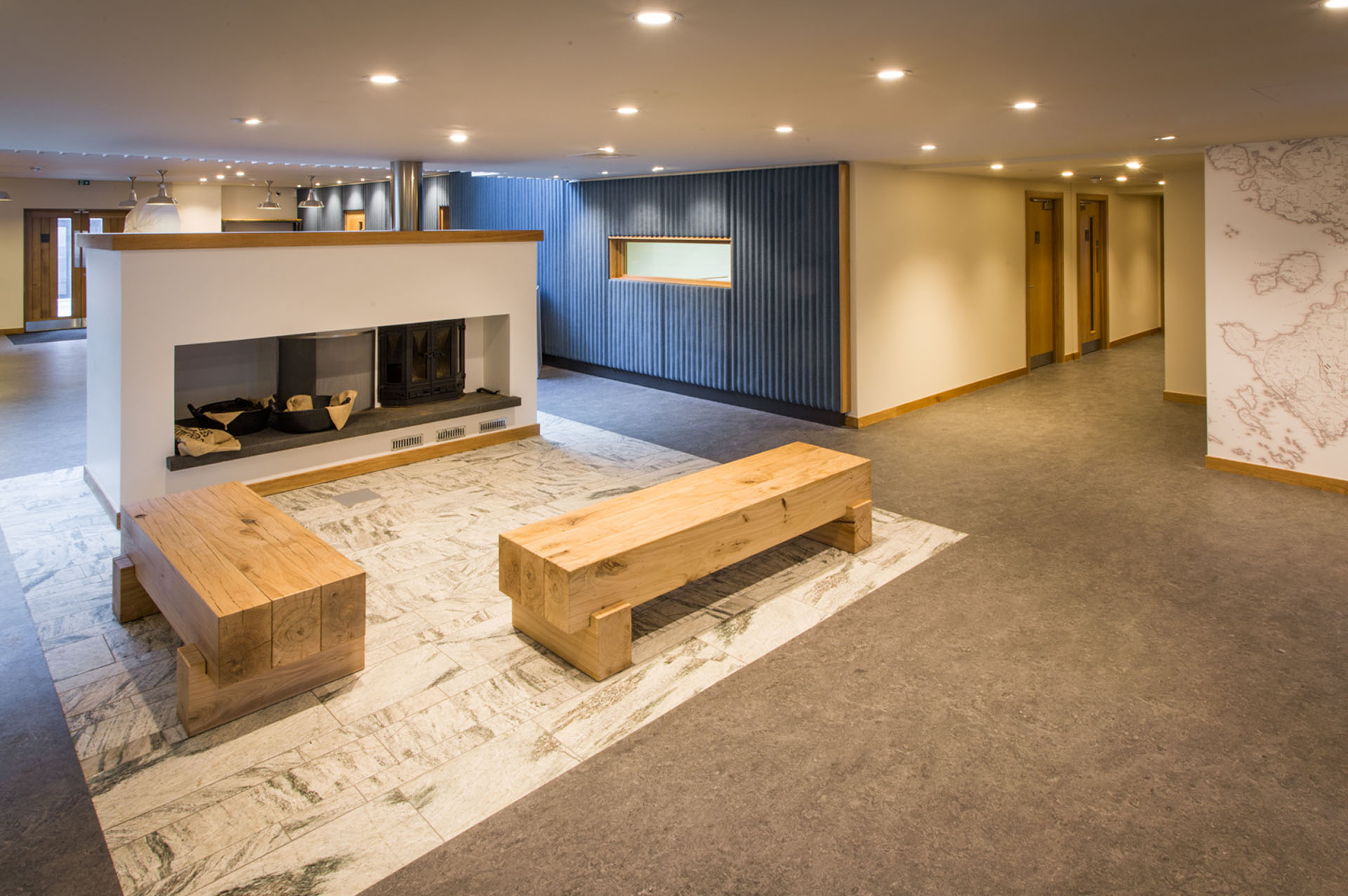
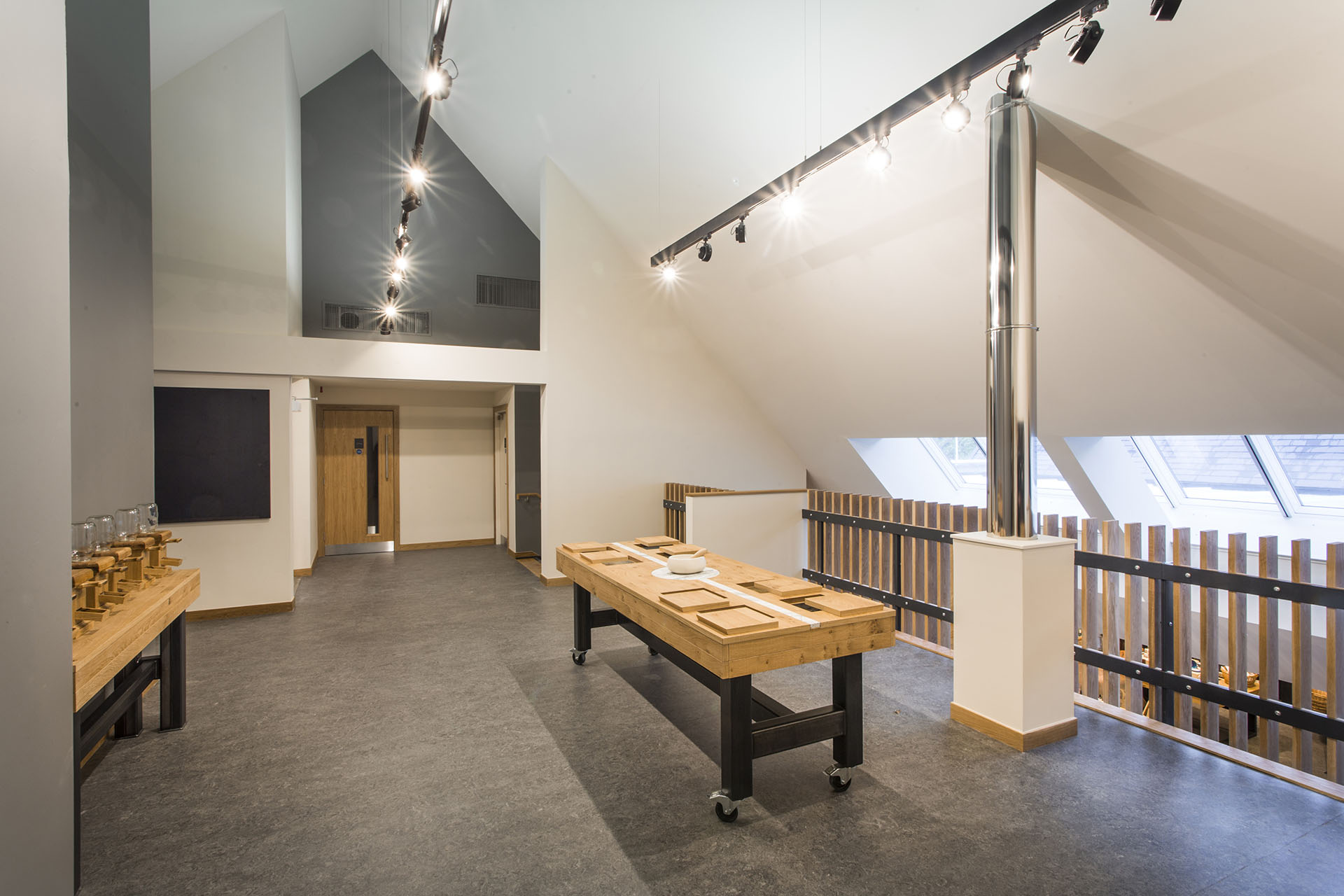
The population of Harris had been steadily, worryingly declining, when Burr Bakewell had the idea of building a distillery.
He wanted to encourage the return of those forced by lack of work to leave the island, and to provide a means for people to work and support themselves for many years. He decided to build an establishment that was truly in sympathy with the air and character of the Isle of Harris, and he found the perfect site in Tarbert.
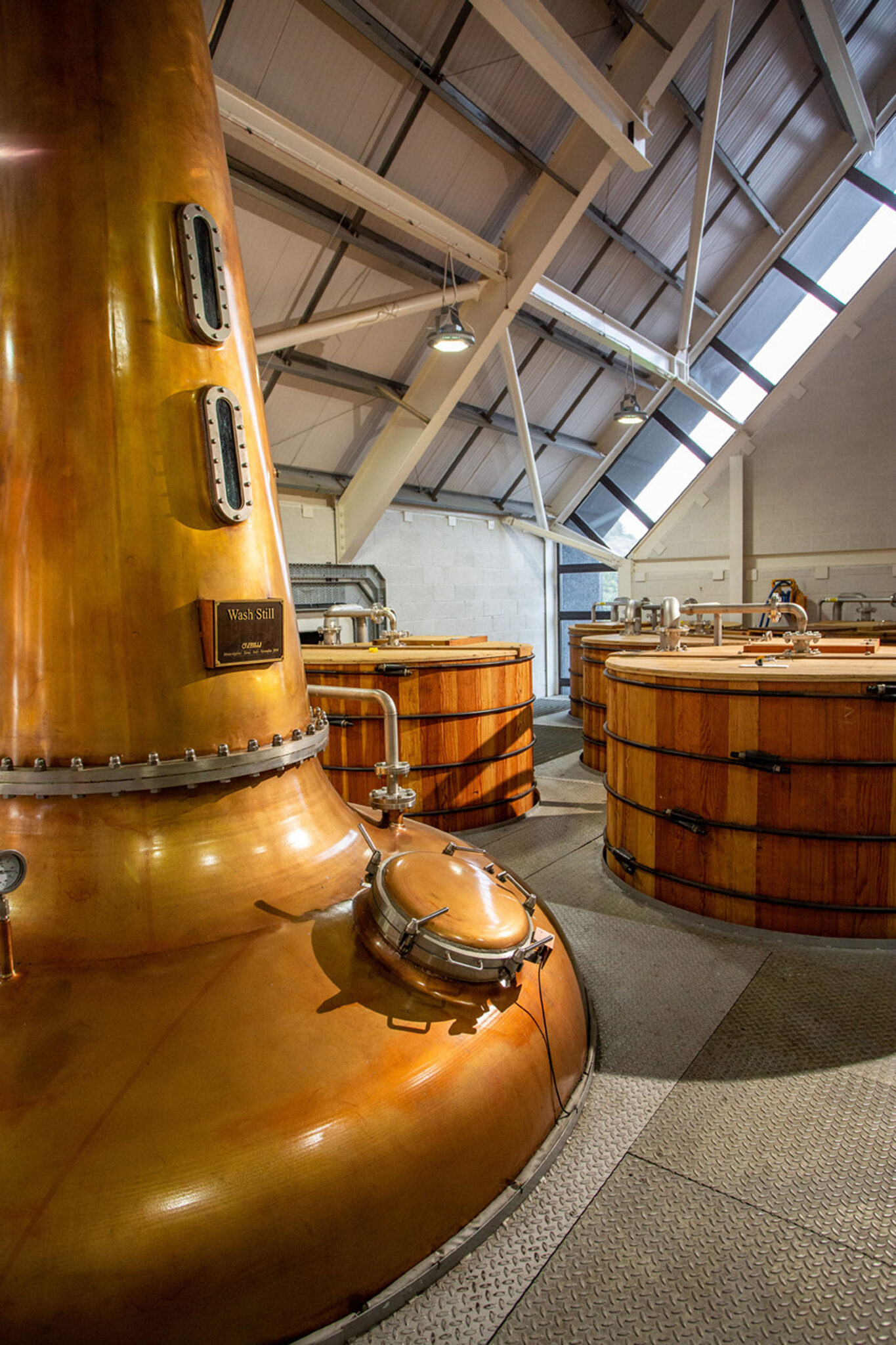
The resultant distillery is astonishing. The visitor is greeted, as is proper – if unusual in distilleries – with a warming peat fire and a glass of whisky – or gin – and shown around by friendly, knowledgeable people, all deeply committed to the place and its products. Such meticulous attention to detail is typical of its creator and paralleled only in Rodel House itself.
Isle of Harris gin contains sugar-kelp seaweed, gathered by hand from sea-lochs. The Hearach is the first single malt whisky to be legally distilled
on the island: made by hand in small batches, in a splendid copper still, and matured for 8 years in oak casks from Spain and Kentucky, it truly embodies the unique atmosphere and spirit of the island.
guardian@rodelhouse.co.uk to book | Contact us
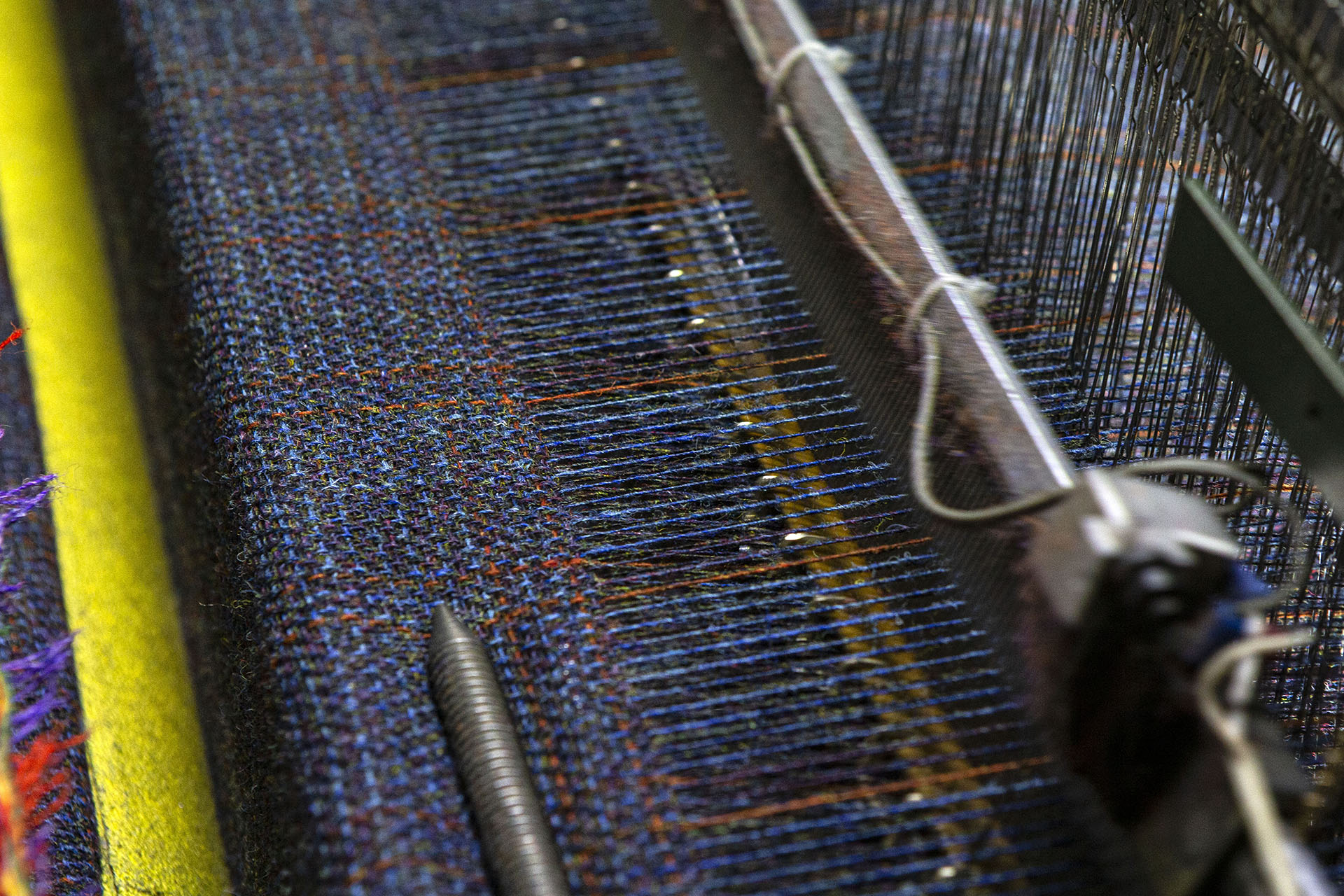
The story goes that Catherine, Lady Dunmore (see above) out for a walk one day came across two sisters, weaving cloth in the village of Strond.
They had trained in a town near Glasgow and were thereafter known as the Paisley sisters. From that encounter, Lady Dunmore developed the world-wide trade in Harris Tweed, whose famous ‘orb’ trademark requires the cloth still to be hand-made on the Isle of Harris.
There is a plaque to the sisters in Strond, and the whole story, including the involvement of such fashion icons as Zandra Rhodes, can be seen in the exhibition a little way up the coast at Drinishader. It could also be possible to visit a local weaver to watch the cloth being made.
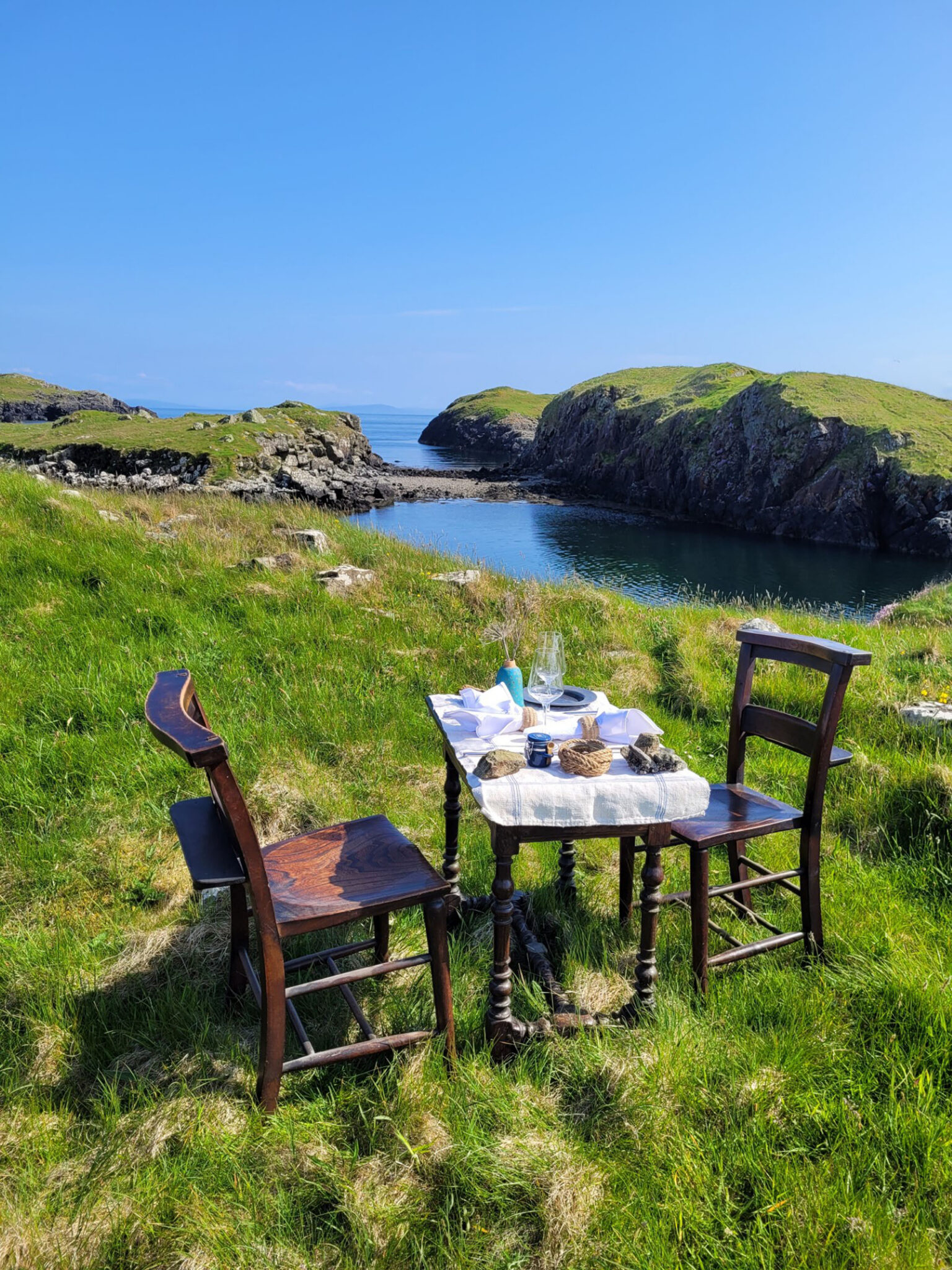
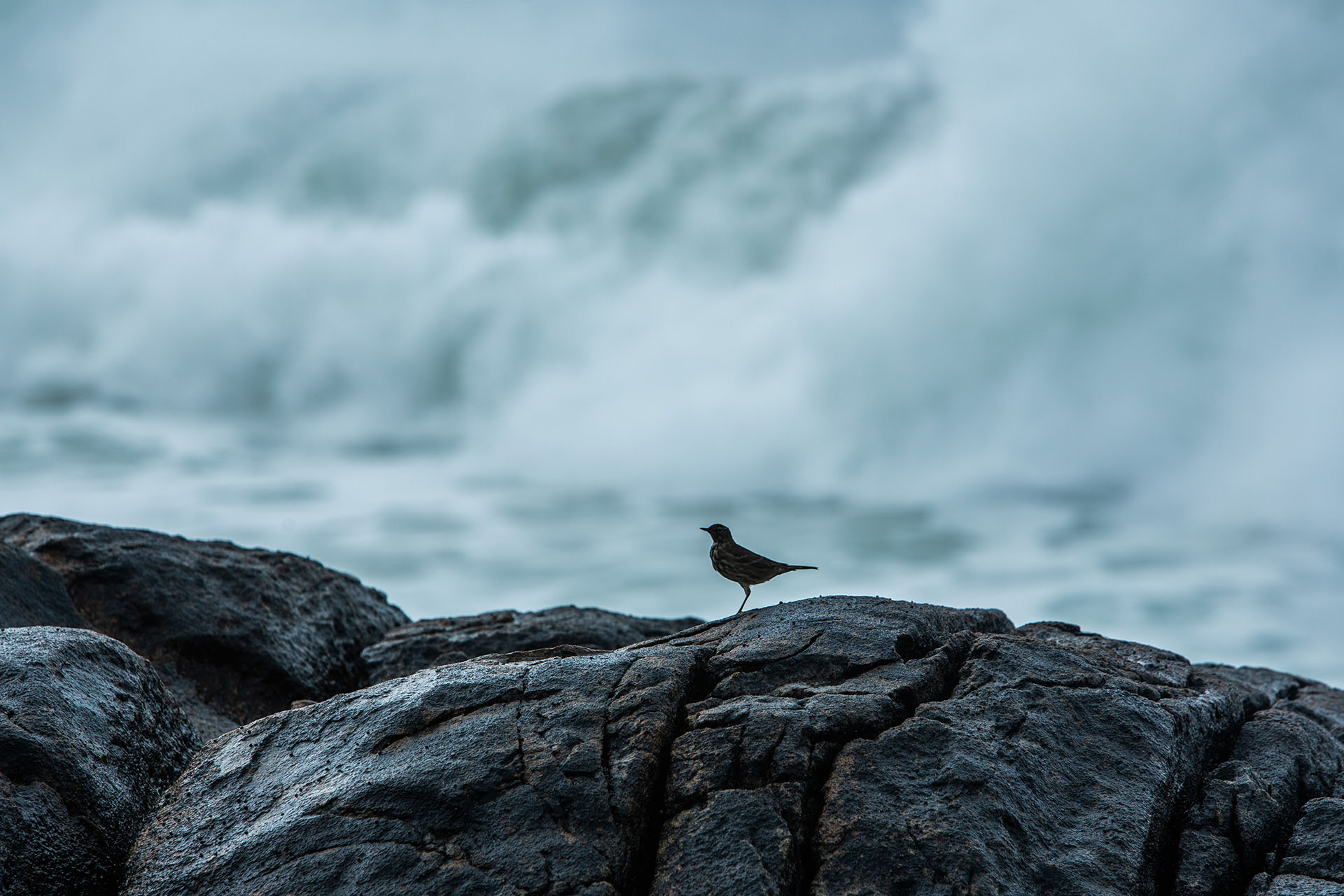
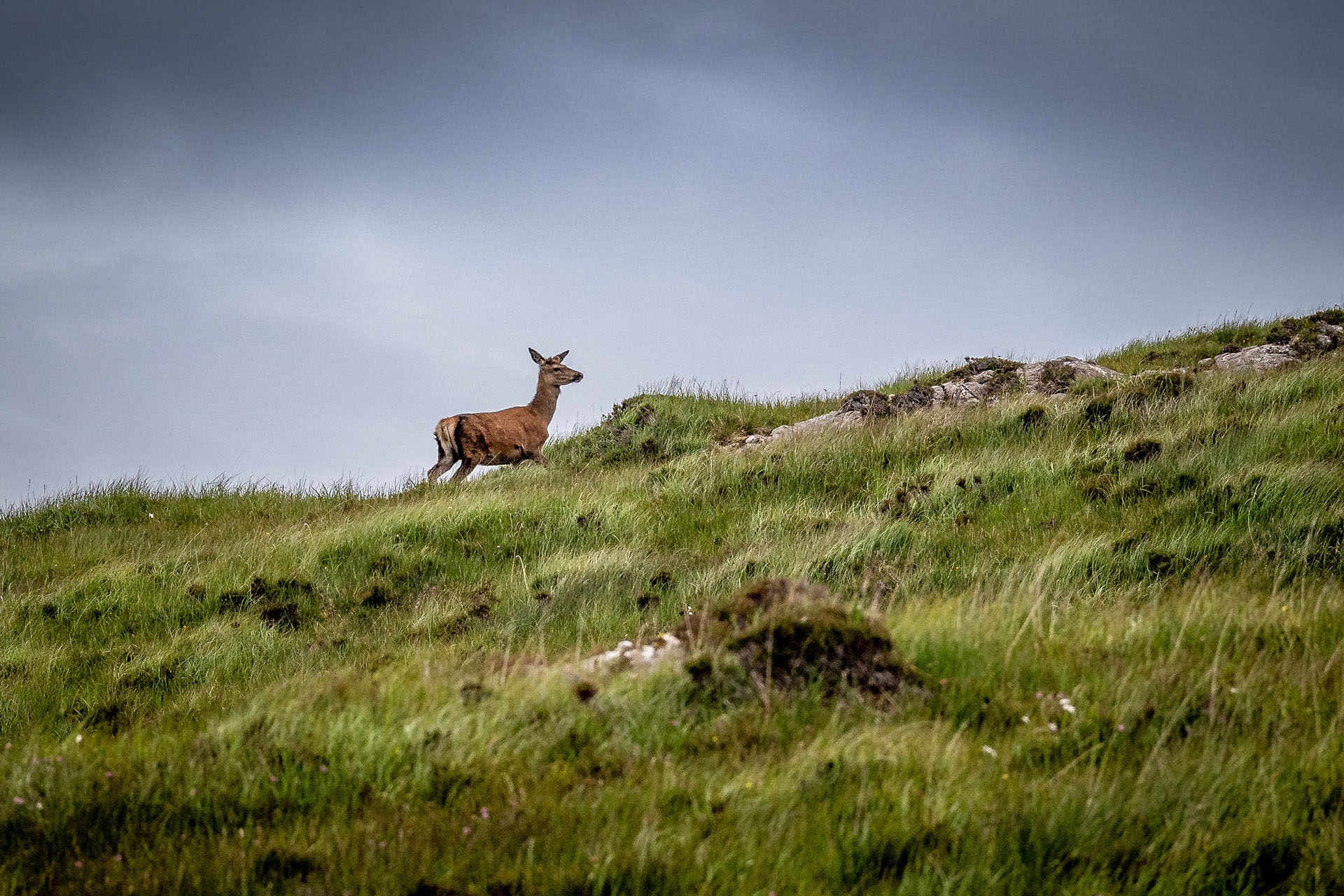
Guided walks around the property and the village, perhaps including the secret loch, or along the cliffs to the whale-watching point, or on to the lost houses of Lingerbay.
Longer and more challenging hikes up the mountains of Roineabhal or Stranndabahl, or ‘The Postman’s Walk’ at Rheningidale, or ‘The Coffin Walk’, for which there will be a picnic prepared.
Viewing the wildlife in the bay, which might include seals, otters or herons. There is a colony of arctic terns nesting on the islands of Vallay, Flodday and Corr Eilean, and in spring the sea- eagles arrive, along with newborn lambs and cuckoos.
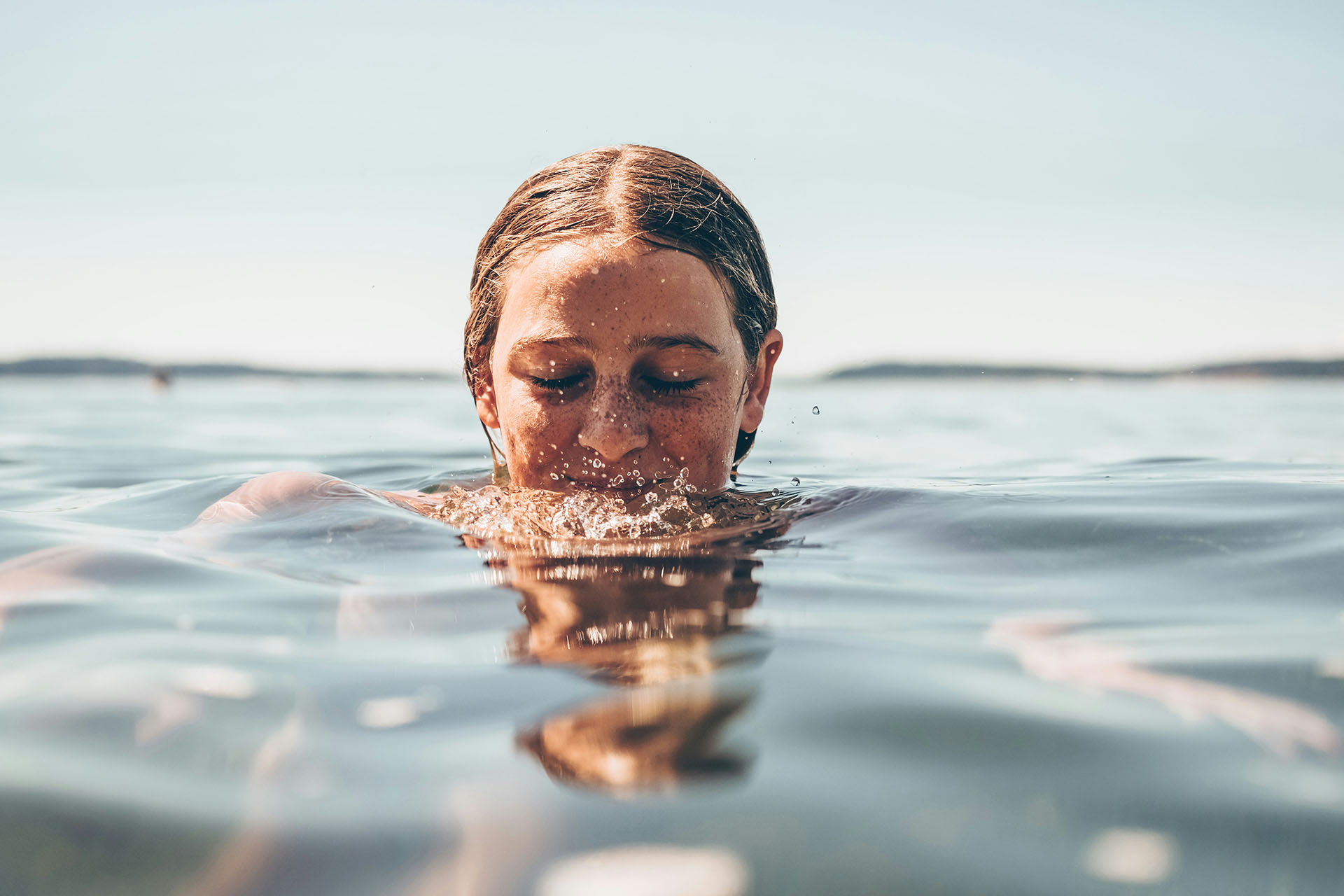
Wild swimming in the bright clear waters of the loch.
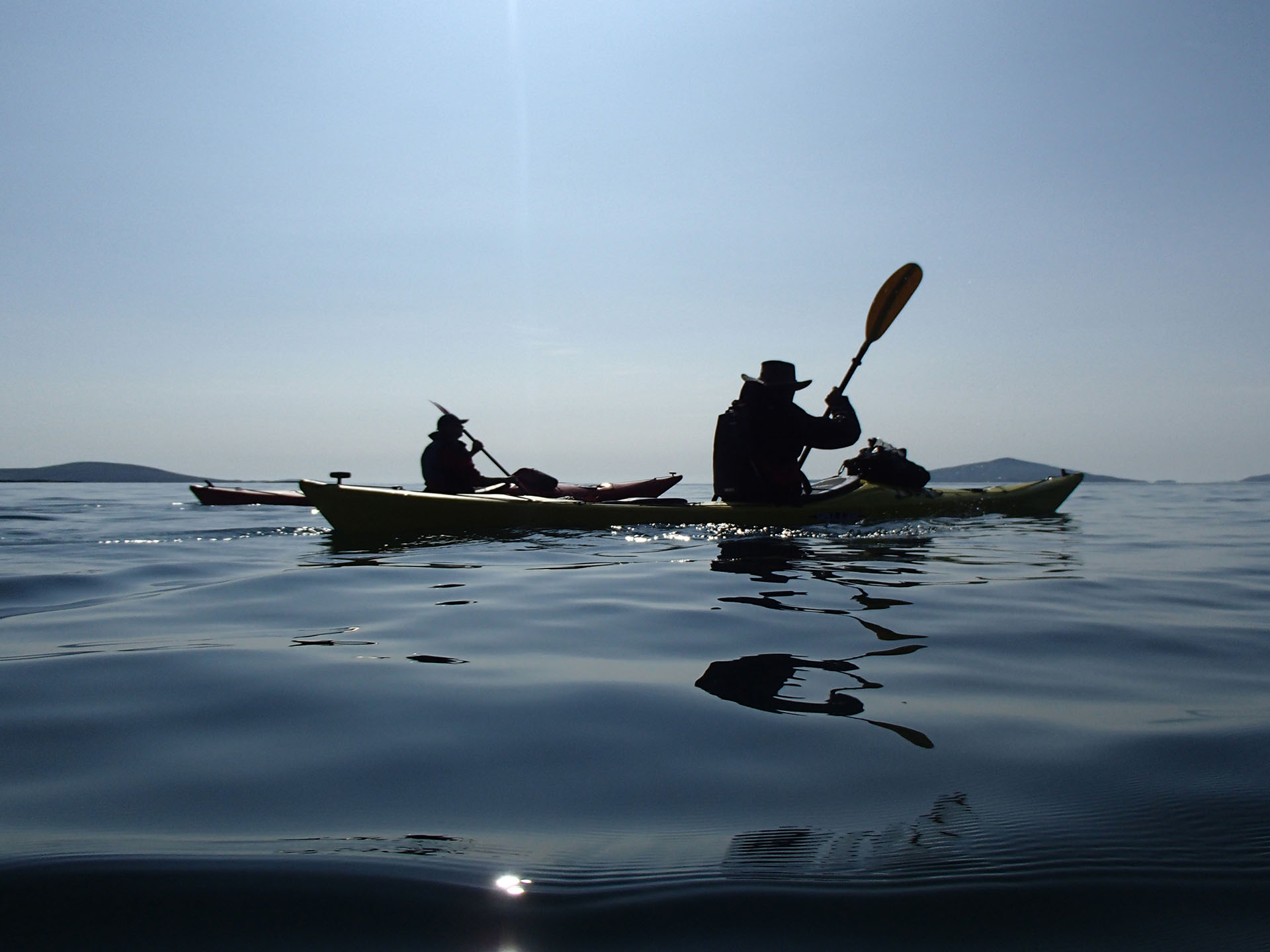
A boat trip: perhaps sea-kayaking, or a visit to the Shiant islands, off the east coast, with some sea-fishing. Or for a longer expedition, there is the chance of travelling 55 miles to the west, out into the Atlantic, to experience the splendour of the World Heritage site that is St. Kilda.
guardian@rodelhouse.co.uk to book | Contact us
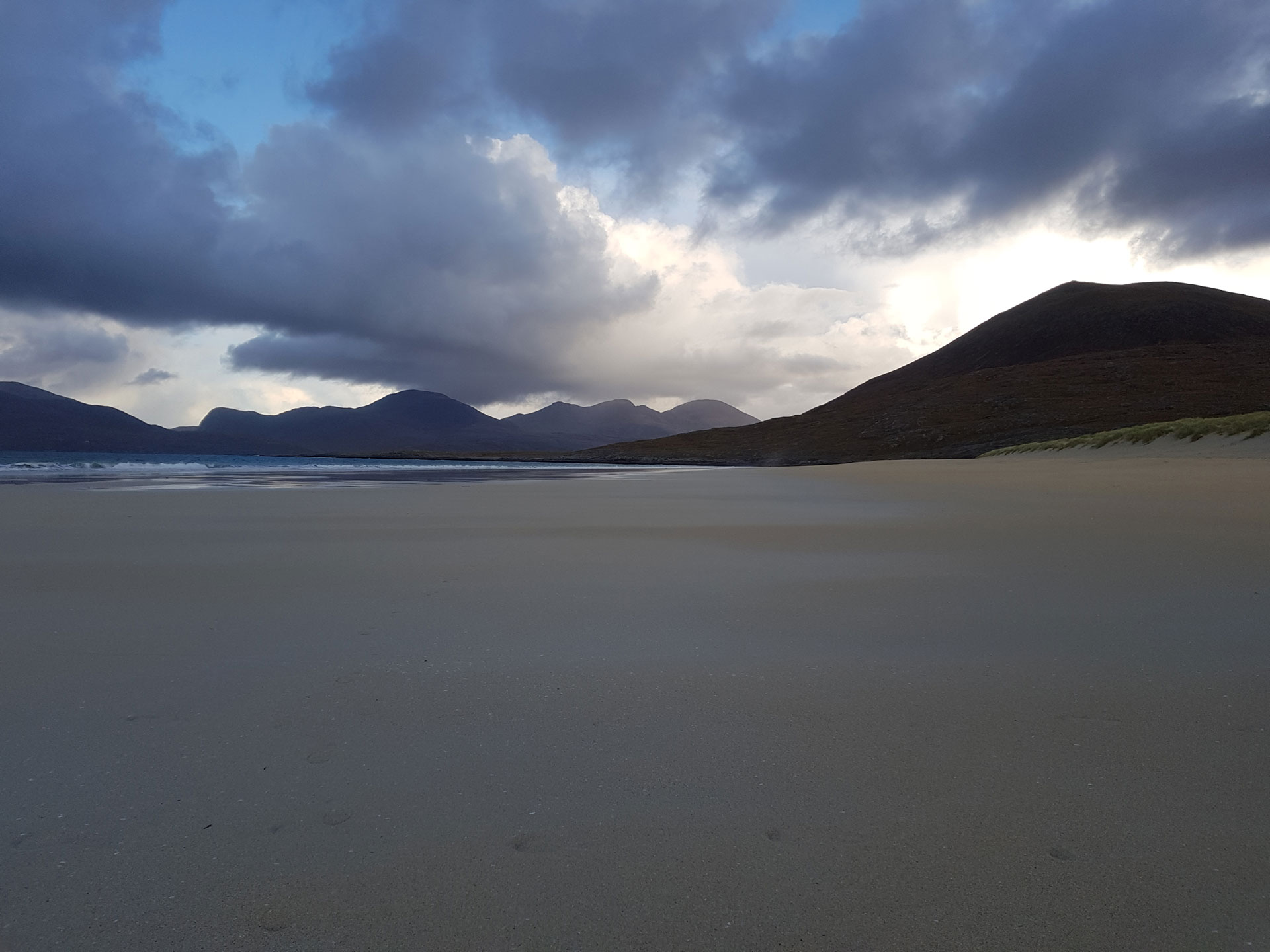
A stroll along the beautiful white sandy beaches of Scarista, Horgabost or Luskentyre, on the west coast, with views towards Pabbay and Taransay – or even, on a clear day, as far as St. Kilda.
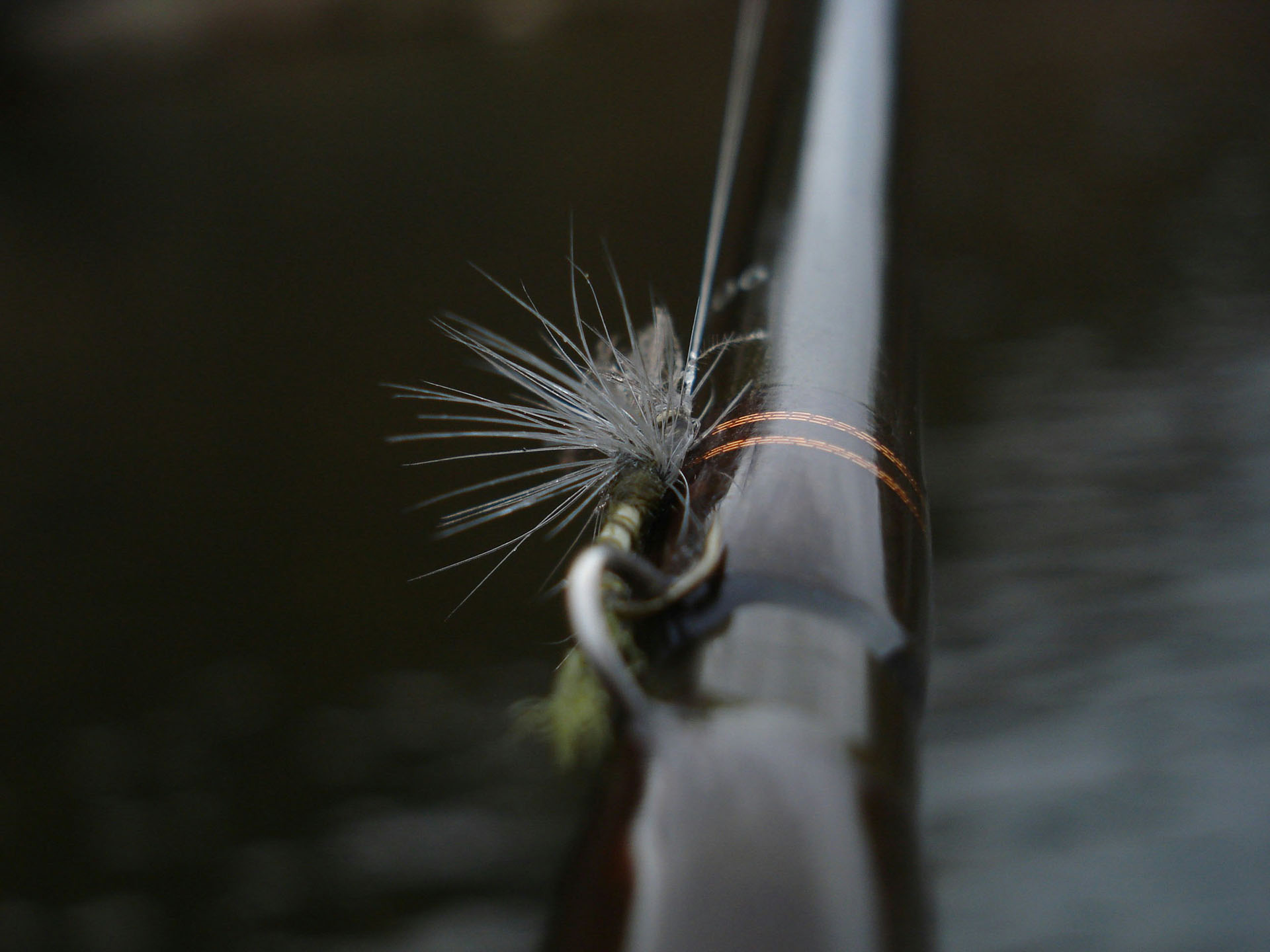
Fly-fishing on the local river and loch system, the Obbe Fishery – though you need your own tackle.
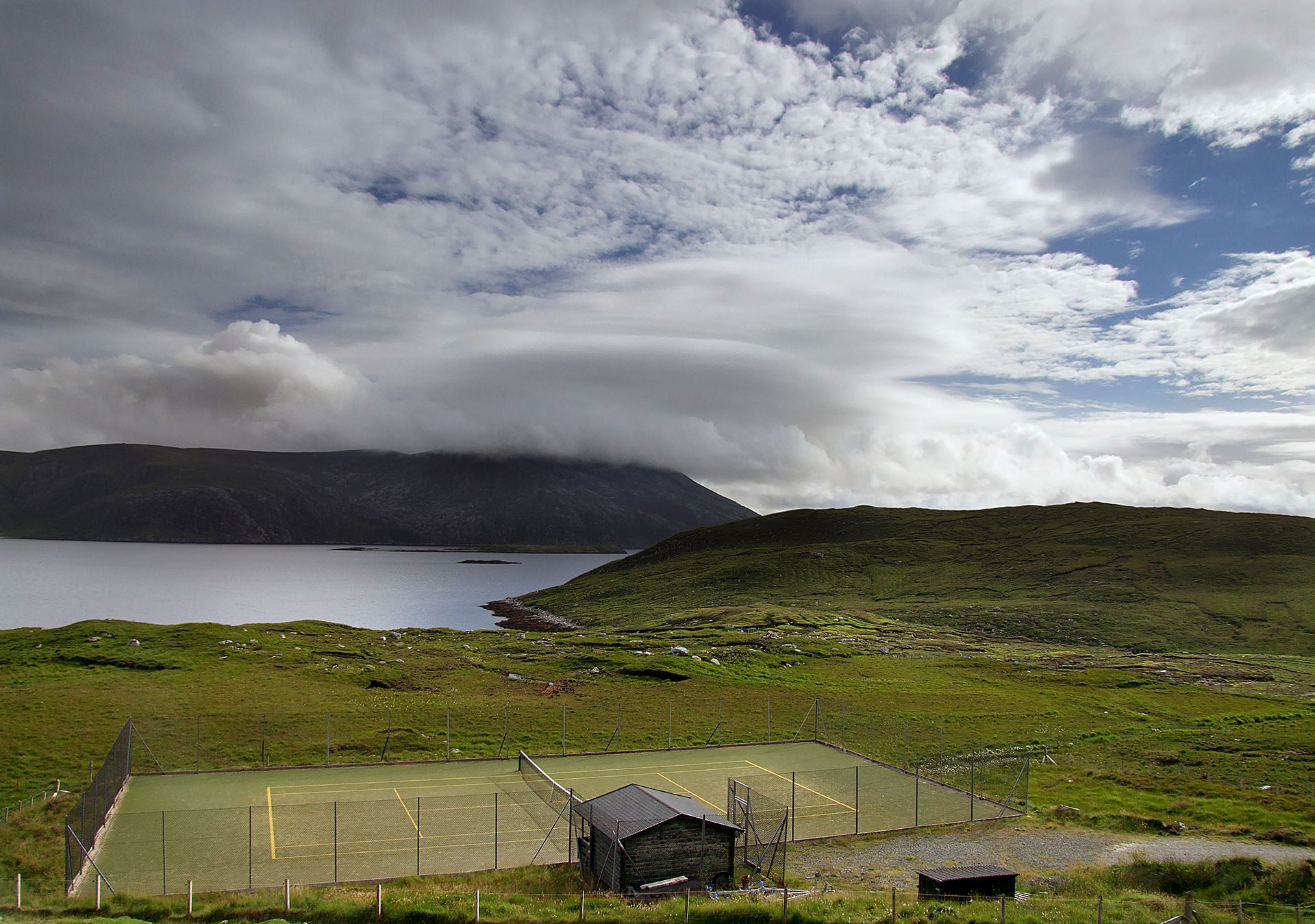
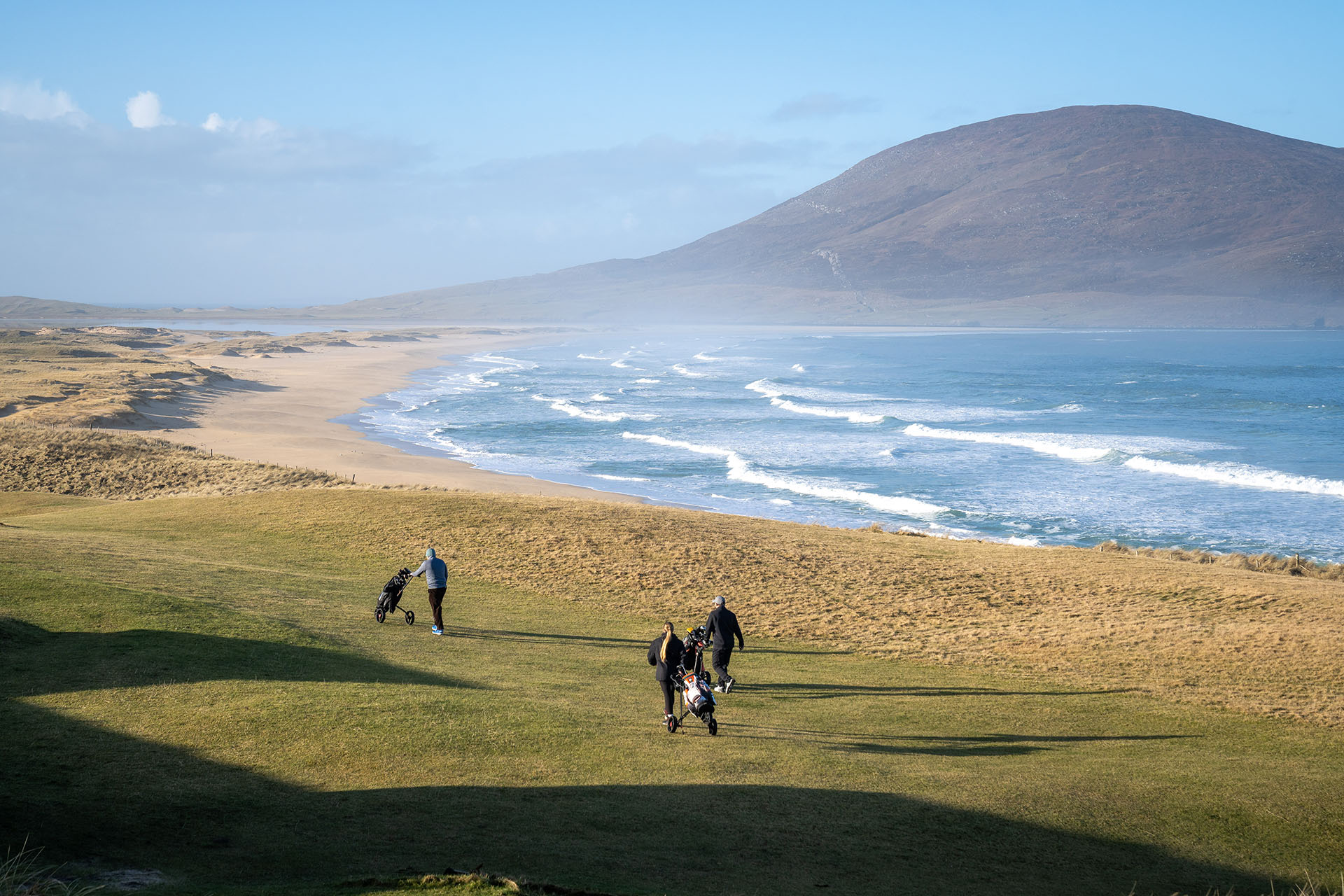
Tennis at Bunabhainneada, or golf at Scarista, where clubs and trolleys can be hired.